


I’ve been testing Lingguang (灵光 - “Halo”) from Ant Group over the past few days and I’m impressed so far. Its multimodal performance is strong, particularly given that Ant has historically been viewed as an applied AI and infrastructure powerhouse rather than a frontier model developer. What stands out most though, is its code generation and live preview capability, bundled into the new “flash app” feature. While Claude and Gemini can do similar things, this is particularly noteworthy in the context of the Chinese “super app” ecosystem, and how this could usher in a new era of in-app commerce. Below is a quick dive into Ant Group, its AI history, and what Lingguang may mean for the future of e-commerce.
The Origins of Alipay
Ant Group is an affiliate of Alibaba Group, the retail, e-commerce, and logistics giant founded by Jack Ma. It was formed in 2014 when Alipay’s financial services business was spun out into a separate entity called Ant Financial, which was later renamed Ant Group in 2020.

In the early 2000s, Chinese consumers didn’t trust online payments and credit card penetration was low. Taobao, Alibaba’s C2C marketplace launched in 2003, needed a way to make people comfortable paying strangers on the internet.
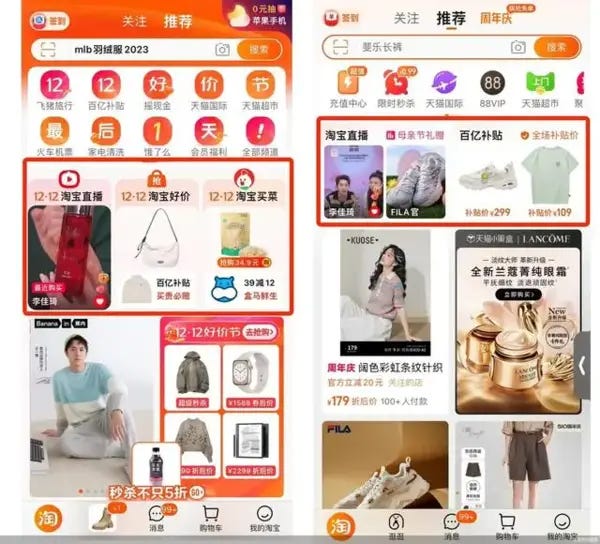
Alipay started as an internal escrow feature for Taobao in October 2003, allowing transactions to settle only once a buyer confirmed receipt of goods.
Buyer pays into an Alipay-controlled account.
Seller ships goods.
Once buyer confirms receipt, Alipay releases funds to seller.
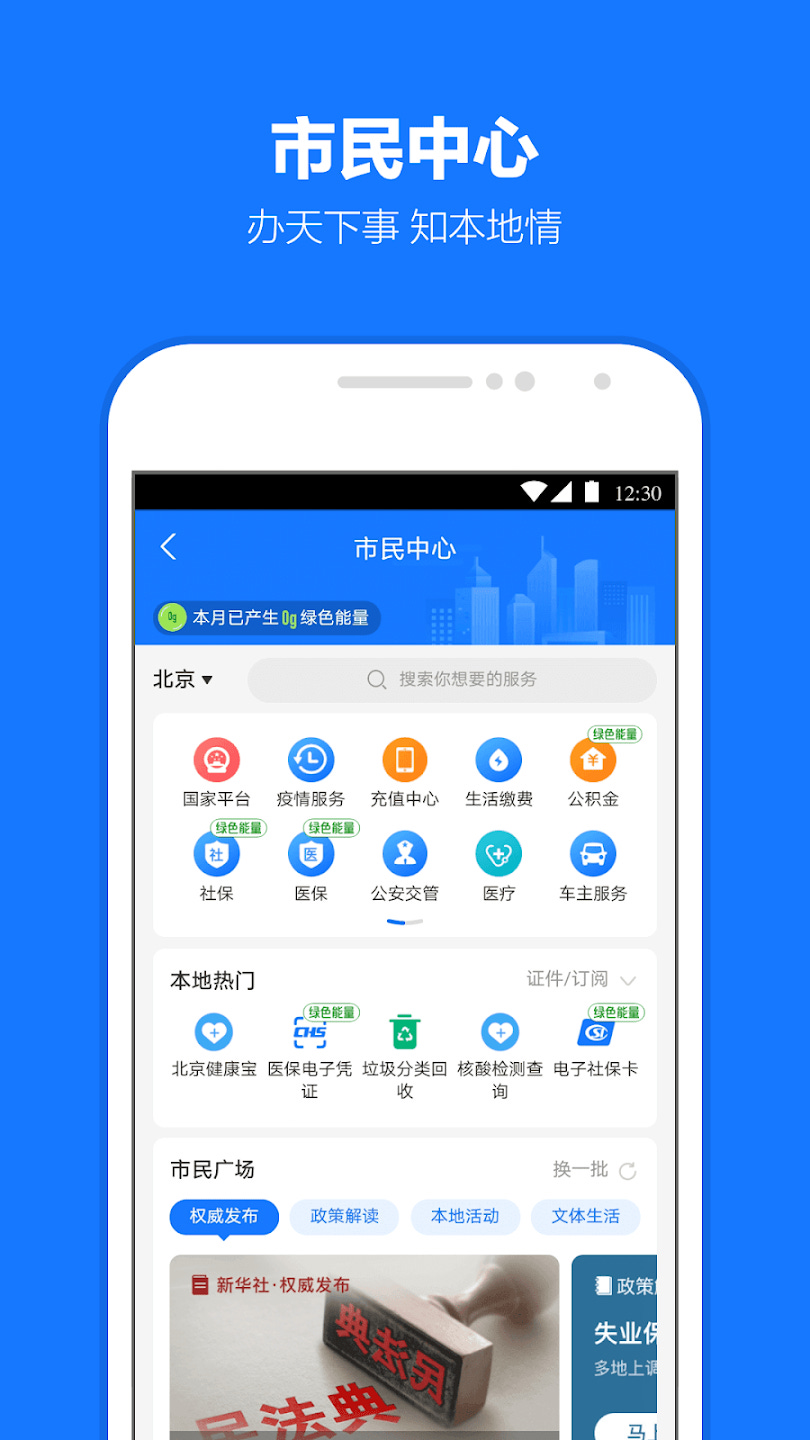
This solved the basic trust and counterparty risk problem in Chinese e-commerce. Its akin to the relationship between PayPal and eBay, except instead of PayPal starting independently and later being acquired by eBay, Alibaba, the Chinese eBay, built its own payment processor from the start.
In December 2004, Alipay became a standalone product when it was formally spun out from Taobao and operated by a separate entity, Zhejiang Alipay Network Technology Co., Ltd. From there, it gradually expanded beyond marketplace escrow into bill payments, utility services, and offline merchant acceptance, with broader external usage scaling meaningfully from around 2008.
From Payment Solution to the World’s Largest Money Manager
As Alipay adoption grew alongside Alibaba’s user base, it became a default account for everyday transactions beyond e-commerce, functioning almost like a Chinese equivalent of Revolut, but much more. Hundreds of millions of users now held persistent balances inside the app, with large volumes of funds sitting idle between purchases.
This created the perfect opportunity to convert passive wallet balances into yield-bearing assets.
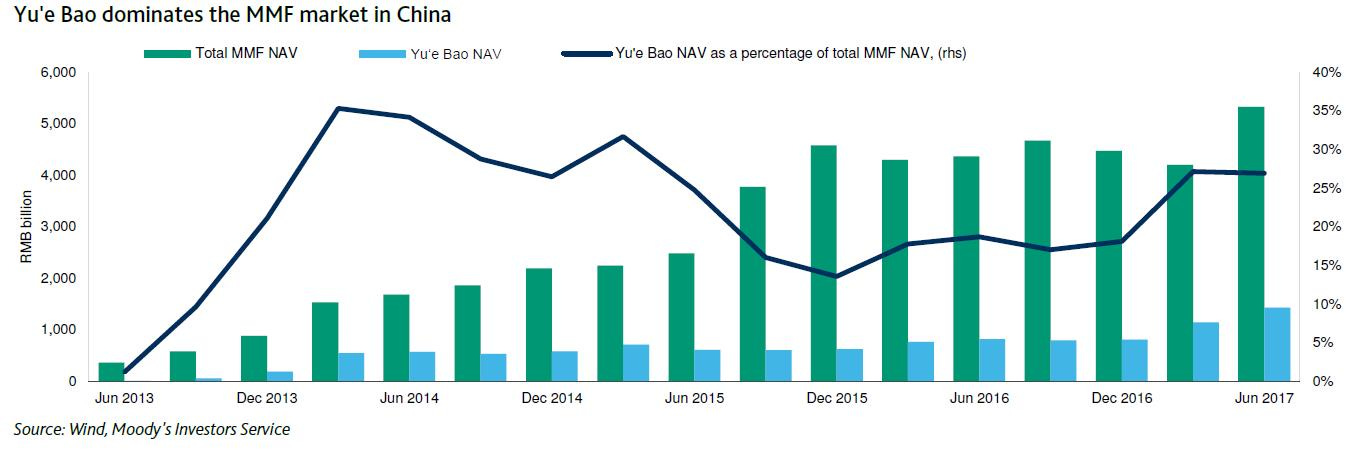
Yu’e Bao (余额宝 - “Balance Treasure”) was launched in June 2013 by Alipay in partnership with Tianhong Asset Management. It had a simple pitch that encouraged users to “put idle money to work,” allowing spare balances in Alipay wallets to be swept into a low-threshold money market fund with a minimum investment as low as 1 RMB. The fund invested primarily in short-term, low-risk instruments such as bank deposits, certificates of deposit, interbank repos and government-backed debt, generating returns that were consistently higher than standard Chinese savings accounts, with peak annualized yields reaching around 4 percent in the mid to late 2010s. Its appeal lay in frictionless access, daily liquidity, transparent returns, and the fact that it sat natively inside Alipay, which already functioned as a daily financial account for hundreds of millions of users.
This combination of convenience, perceived safety and superior yield drove explosive growth, with Yu’e Bao reaching approximately 1.69 trillion RMB (US$255 billion) in assets under management by 2018 and becoming the largest money market fund in the world, surpassing established institutional funds including the JPMorgan US Government Money Market Fund (operated by JPMorgan Chase & Co.) which had around US$150 billion in assets.
Ant Group as a Financial and Technology Stack
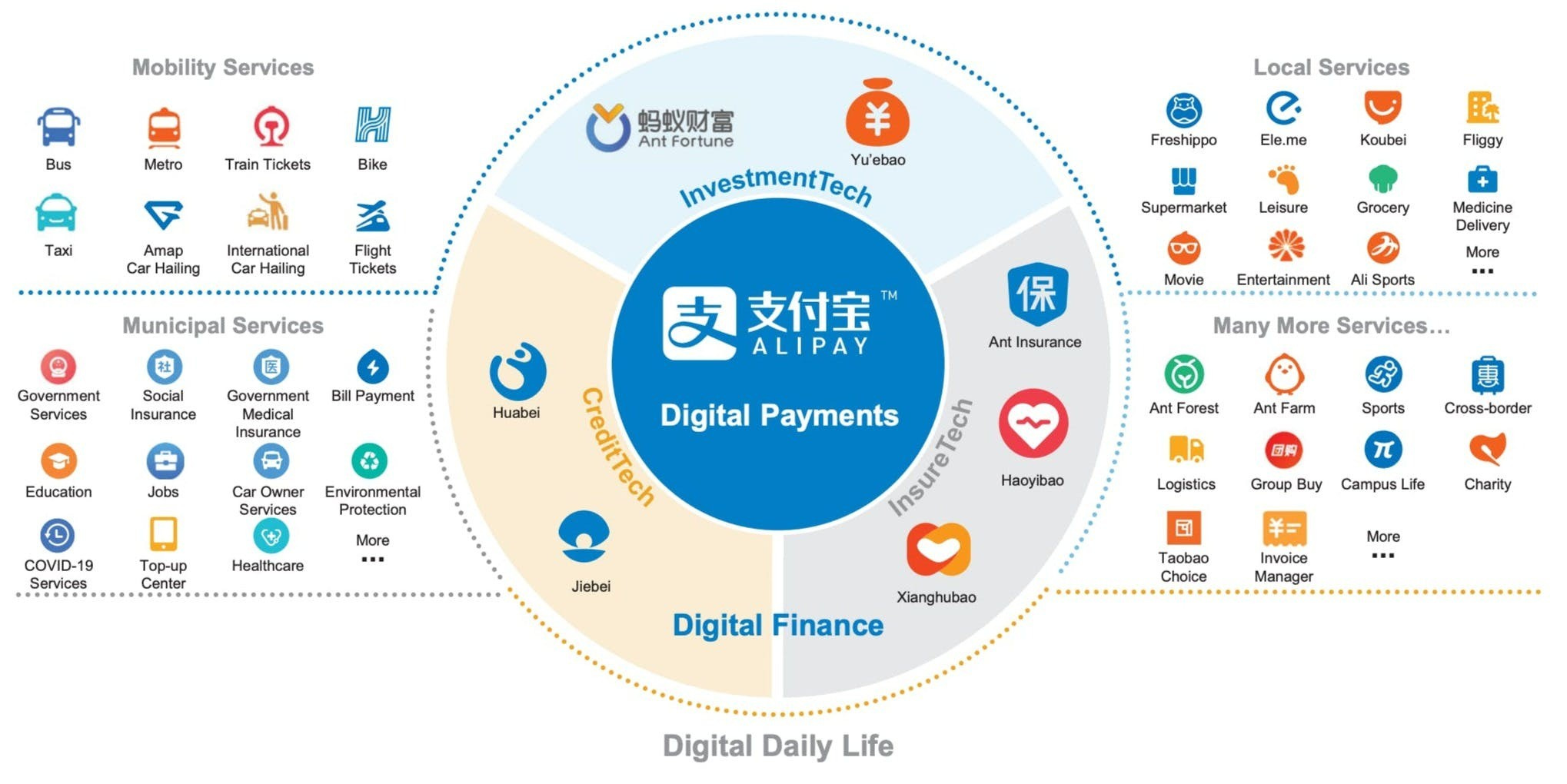
Ant Group is no longer just a payments or consumer finance company, but a conglomerate spanning:
Payments infrastructure
Consumer and SME lending
Wealth management
Insurance distribution
Digital identity and risk control
Enterprise technology and databases
Cross-border payment infrastructure
Ant has even established its own digital bank, MYbank, designed to serve SMEs and micro-entrepreneurs through online, data-driven lending.
The Role of AI - Reducing Fraud & Powering Lending
AI at Ant did not start as a chatbot or consumer-facing product. Historically, it operated largely behind the scenes, powering fraud detection, risk control, credit scoring, and customer service automation across Alipay, MYbank, and its lending platforms. As these systems matured, their use expanded well beyond core financial operations into sectors where Ant already had deep economic visibility and data access, where it increasingly influenced real-world decision-making, resource allocation, and credit distribution.
Ant’s AI analyzes satellite and drone imagery to monitor crops, soil, disease, and yields, enabling MYbank to base rural lending on real production data instead of traditional collateral. This has expanded access to formal credit, reduced reliance on informal lenders, and sped up loan approval with more accurate risk-based pricing.

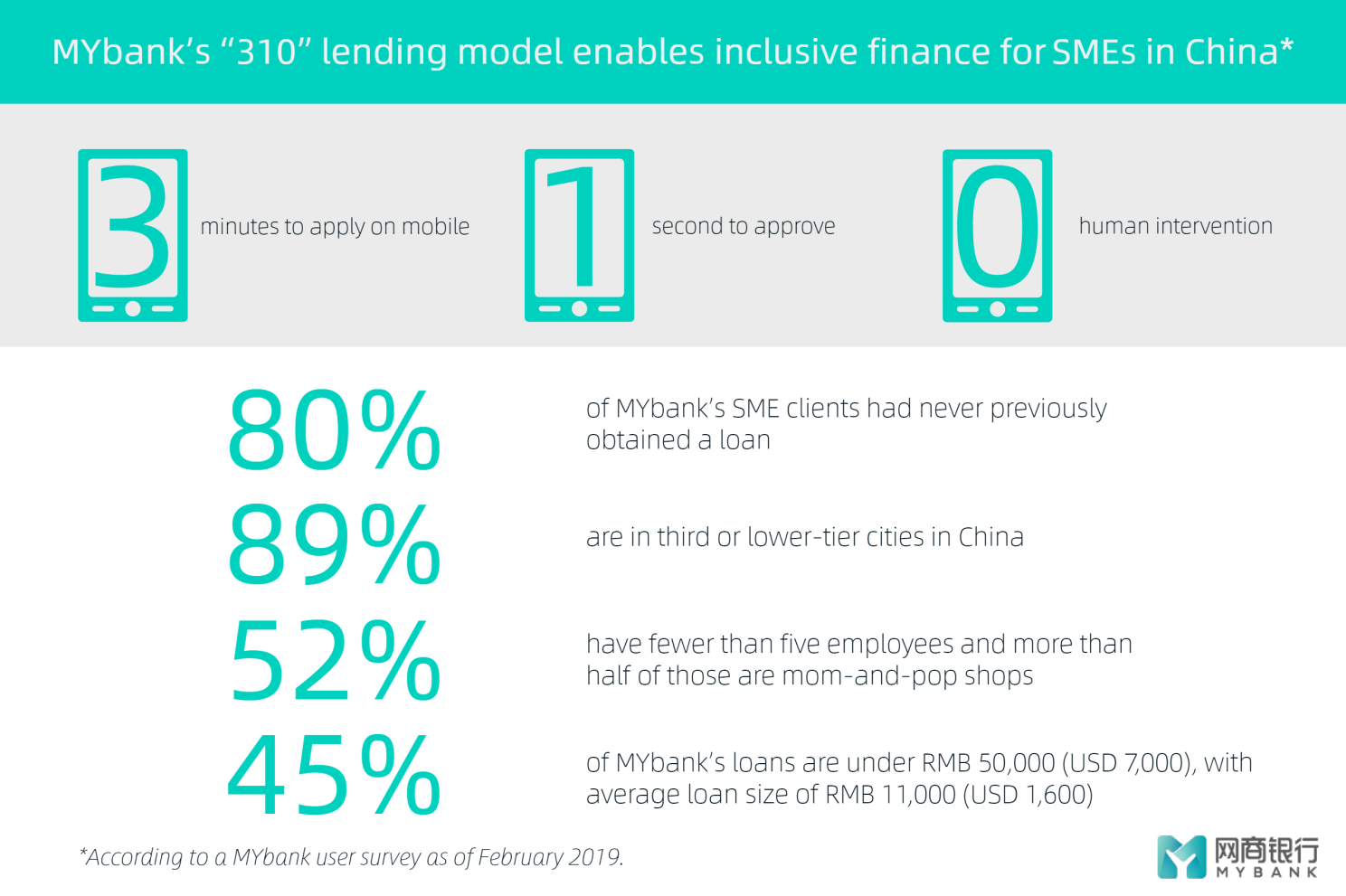
In SME financing, Ant, through its online-only bank MYbank, uses machine learning to evaluate real-time transaction data, inventory turnover, seasonal patterns, and behavioral signals to automate credit scoring for Taobao and Tmall merchants. This follows MYbank’s 310 model, where loans are applied for in under three minutes, approved in one second, and issued with zero human intervention, using platform sales performance and cash flow data as the basis for underwriting. Credit limits are adjusted dynamically, enabling rapid access to working capital for businesses that typically fall outside traditional banking criteria.
As AI became more deeply embedded across Ant’s operations, from consumer credit to logistics tracking and supply chain risk, it became clear that relying solely on task-specific models and back-end optimization was limiting. The complexity of Ant’s ecosystem, spanning finance, commerce, public services, and enterprise infrastructure, created demand for more generalized, flexible AI systems capable of operating across multiple domains and user contexts. This led to the development of Ant’s proprietary large model family, designed not only to optimize internal systems, but to act as a foundational layer for interaction, creation, and decision-making across the super app environment.
Meet The Ling Family
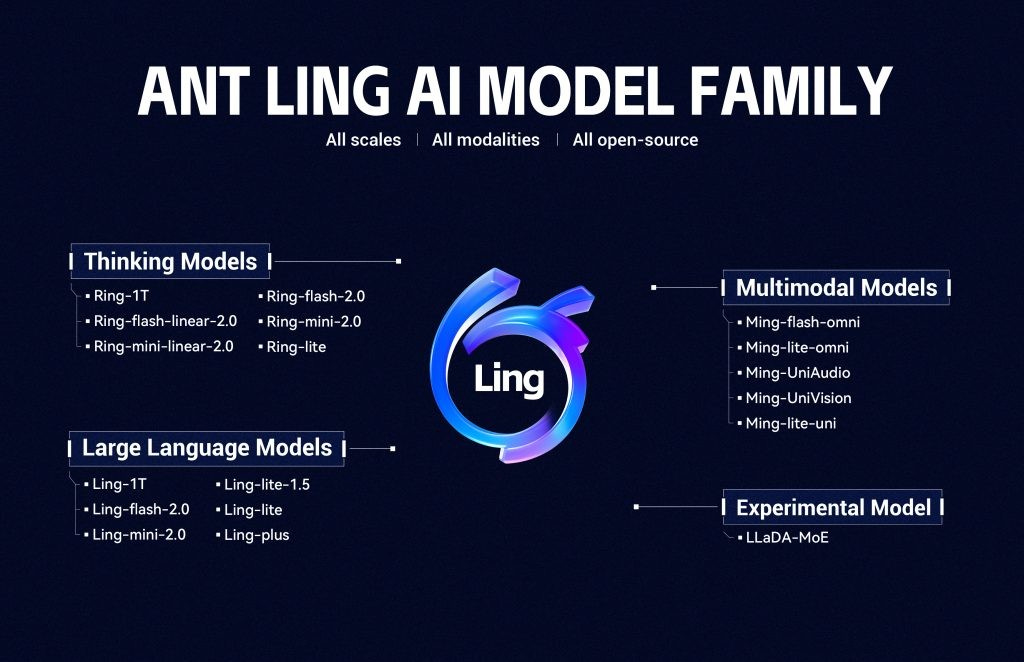
The Ling (灵) model family was developed by Ant Group to move beyond domain-specific AI and create a unified foundation model layer capable of serving both internal and external applications. Development accelerated in 2023 as Ant expanded AI from risk and operational systems into creation and interaction layers. On October 9, 2025, Ant officially announced Ling-1T, a trillion-parameter general-purpose model that marked a major milestone for the series. The name “Ling” translates roughly to “spirit” or “intelligence”, reflecting Ant’s intent to embed adaptive, context-aware cognition across its ecosystem.
Enter Lingguang
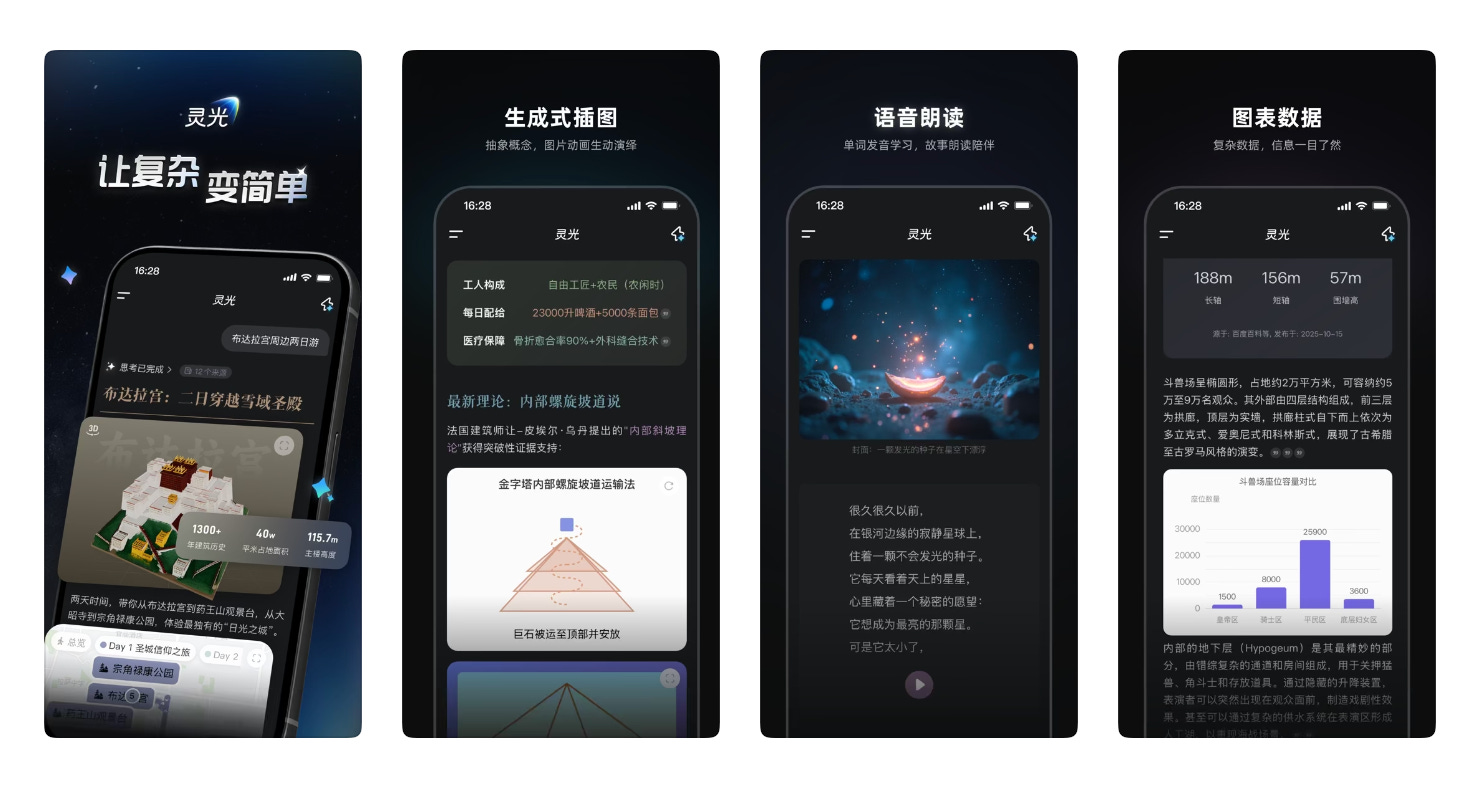
Lingguang (灵光, “Halo”) was launched on November 18, 2025 as the first user-facing product built on Ant’s Ling model family. While it demonstrates strong multimodal capabilities, the most notable feature is its “flash app” functionality, which effectively combines a code generation interface with a live preview environment inside Alipay. Rather than functioning purely as a conversational assistant, Lingguang allows users to generate, test, and retain lightweight applications through simple prompts, shifting AI from optimizing existing services to enabling the direct creation of new ones within the super app itself.
Let’s make a mini-app
Here I created a simple mini-app in roughly one minute that teaches Chinese idioms and their meanings, complete with a built-in testing function. I provided only a high-level objective, and the system handled the implementation details, including structure, logic, and feature design, without further instruction. The resulting app remains saved within the Lingguang environment and can be accessed or reused at any time. What stands out here is less the novelty of the output and more the frictionless process, from prompt to working application, suggesting a model where lightweight, purpose-built tools can be spun up on demand and persist as part of a user’s personal software layer inside the super app.
Testing the flash app feature
Tour the Forbidden City
Next, I test out live web search and multimodal with a tour of the Forbidden City. It generated and laid out all the details in a beautiful article style with accompanying photos. It also generated an impressive 3D model of 太和殿 - the Hall of Supreme Harmony, the largest of the three halls that constitute the heart of the Outer Court of the Forbidden City.
Multimodal features including live web search and fantastic 3D model creation
So what?
While platforms like Gemini and Claude can generate similar code and interactive outputs, Lingguang’s differentiation lies in how it is bundled and served, as well as its persistence and usability. The apps created are not temporary previews or isolated experiments, but saved, discoverable tools that remain embedded within the Lingguang environment and can be reopened or reused at any time. This turns AI output from a one-off interaction into a personal library of functional micro-apps, making the experience feel closer to building software within a system than simply conversing with a model.
Super Apps - The $420 Billion Opportunity
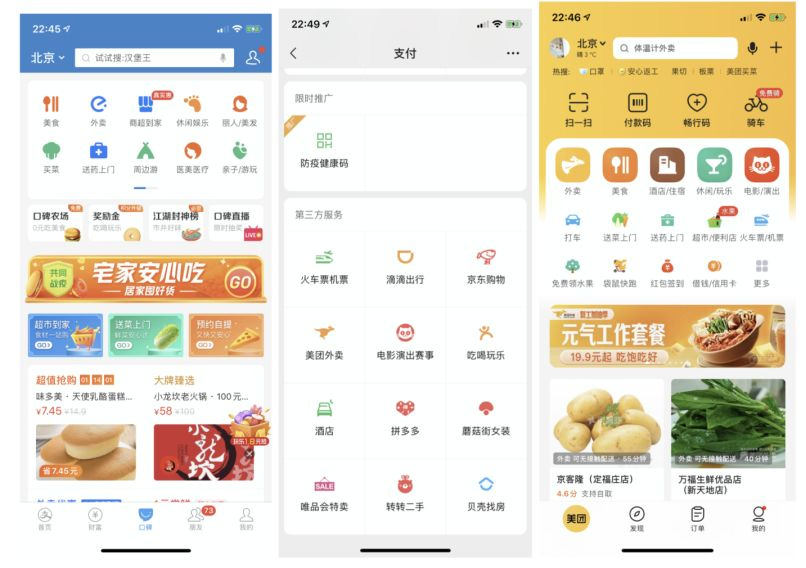
Alipay is one of China’s so-called “super apps.” Unlike the Western approach where platforms typically specialize in doing one thing well, such as messaging, shopping, or ride-hailing, Chinese super apps evolved by consolidating multiple daily behaviors into a single ecosystem. They start with a core use case and then layer on payments, services, commerce, and utilities, creating an all-in-one operating environment where users rarely need to leave the app. This model prioritizes convenience, continuity, and ecosystem lock-in over single-purpose excellence. Other examples include WeChat, which started as a messenger, and Meituan, which started as a Groupon-style group-buying app before becoming a leader in food delivery.
Super apps have evolved into full commerce and service infrastructures, and the market size reflects that reality. Global super app economies are now projected to approach $420 billion by 2030.
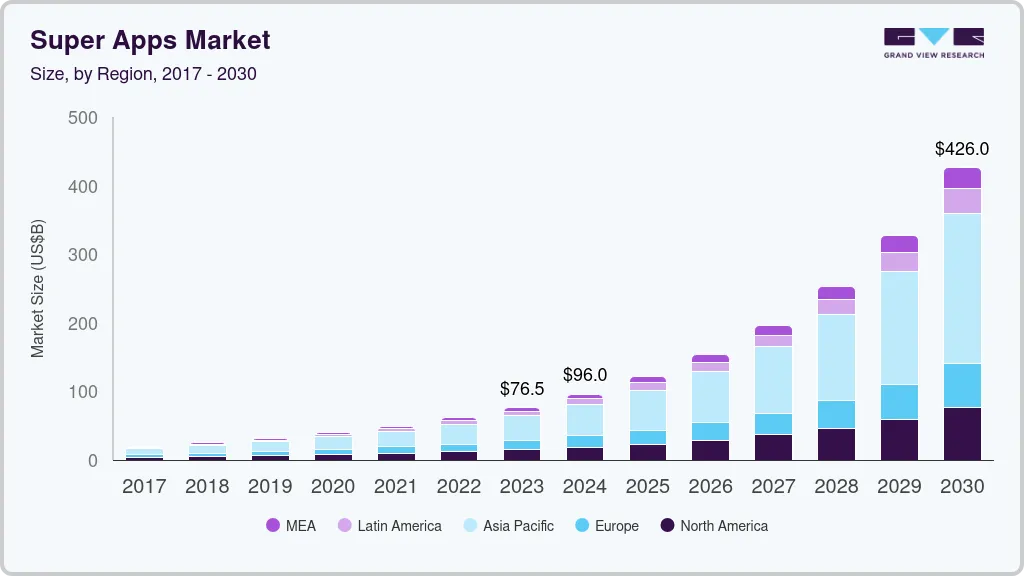
What matters is not just the size of this market, but its structure. These platforms already control user identity, payment flow, distribution, and retention in one closed loop. That makes them uniquely positioned to become not just marketplaces for services, but the primary environments in which new digital businesses are created, launched, and scaled. When creation tools are embedded directly into this layer, the friction between idea, deployment, and revenue effectively disappears, opening the door to an entirely new class of micro-entrepreneurship native to the super app itself.
Putting it all together
Mini apps can now be created directly inside Lingguang through simple prompts, dramatically reducing the time and technical effort required to build functional tools. If this creation model is extended into Alipay more broadly, it could significantly lower the barrier for users, merchants, and small businesses to produce and deploy mini apps at speed. Combined with Tencent’s recent agreement with Apple, which further formalizes monetization pathways within WeChat mini programs, this points toward a future where mini app ecosystems become both easier to create and more economically viable, potentially accelerating the scale and sophistication of internal super app economies.
Expect an expansion of super app commerce, positioning WeChat and Alipay as operating systems for digital business. This may usher in the first wave of vibe commerce, where users move from vibe coding to creating full online businesses through simple prompts. Instead of designing storefronts, payment systems, customer flows, and product logic manually, users describe intent and generate functional, monetizable businesses instantly, complete with interfaces, workflows, and embedded transaction capability, all native to the super app environment.
This is likely to redefine what it means to start and run a business in the digital age.