


Zoolnasm (众钠能源), a Chinese startup that says it turns industrial by-products into battery materials, announced a new round of “several hundred million” RMB, equivalent to tens of millions of US dollars, on October 8, 2026. It makes sodium batteries, using a chemistry that needs no lithium. The new money will help it expand cell production.
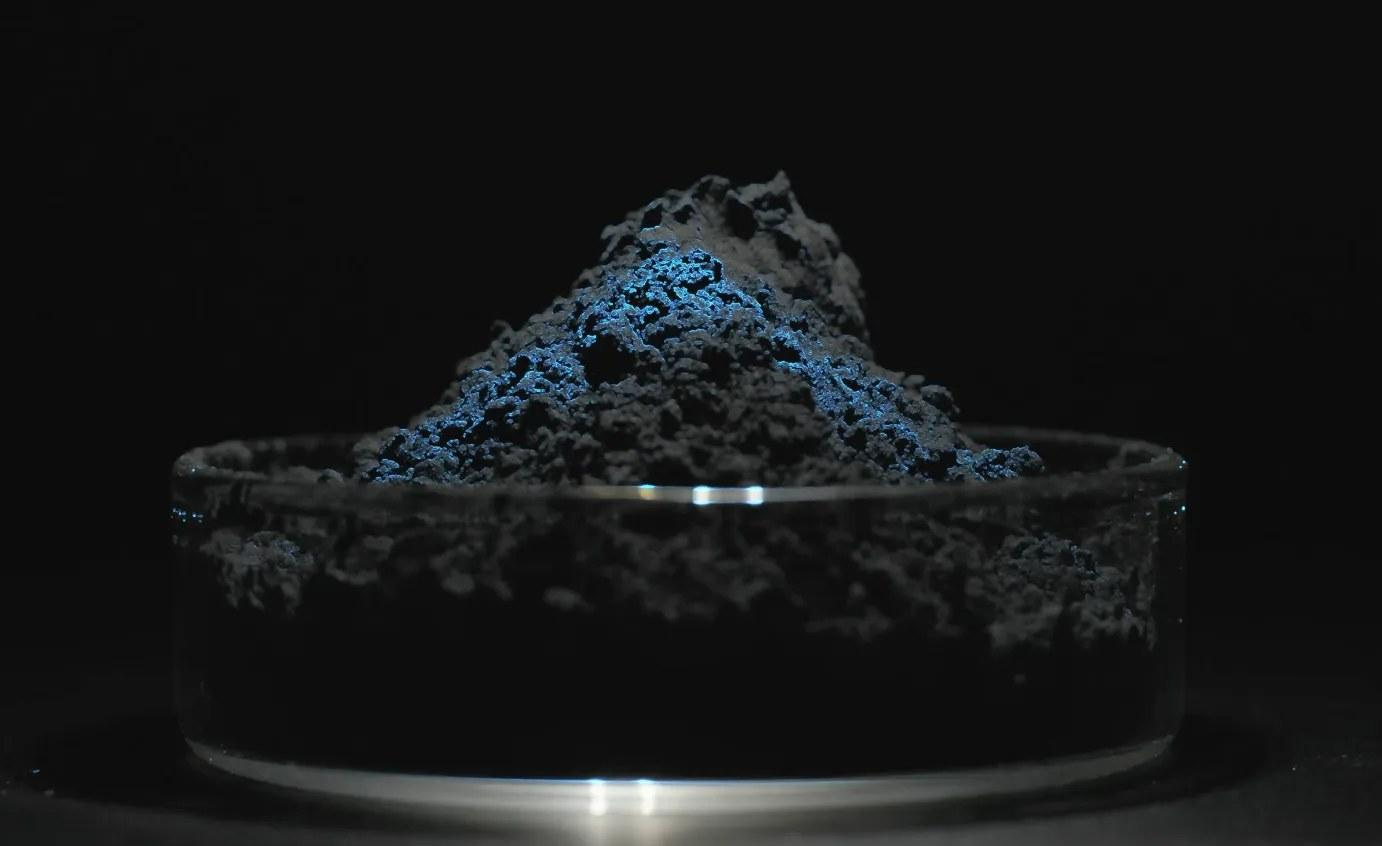
Its starting ingredients include sodium sulfate and ferrous sulfate, two chemicals produced as by-products of other industrial processes. Ferrous sulfate is an iron salt already used to treat drinking water and wastewater. It is also left over from making titanium dioxide, the bright white pigment used in paint. Pigment manufacturers remove iron from their ore, leaving an iron-rich by-product that can become a battery ingredient. Zoolnasm uses these ingredients to make sodium iron sulfate, known as NFS, for a battery’s positive electrode, the cathode.
Sodium batteries generally store less energy for their weight than lithium-ion batteries but perform better in the cold. Their raw materials are abundant and could lower costs, although making a finished cell cheaply is still hard. Those traits suit short-range vehicles, backup power and stationary storage, where a battery’s weight counts for less than in a long-range car.
The company sells this cathode material to other battery makers and also offers its own batteries. A cell is the individual unit that stores energy; multiple cells are assembled into a battery pack. Zoolnasm makes some cells itself and works with established cell manufacturers for larger-scale production. Its finished products include e-bike packs, backup batteries and storage systems. It lists 0.5 GWh of cell capacity against a 5 GWh target, with cell-line expansion the first stated use of the new financing.
The latest investors and valuation are undisclosed. Zoolnasm says it has raised more than ¥1B (about $149M) cumulatively. Earlier backers include energy-storage system supplier Pylontech (派能科技, 688063.SH), which agreed to invest ¥30M (about $4.5M) in 2023 at a ¥1.5B (about $224M) pre-money valuation.
Whether batteries made from industrial leftovers pay depends on what they cost to make and whether buyers will pay more for longer life and cold-weather performance. Zoolnasm is pursuing longer-lived e-bike packs and cold-weather backup power, while competing with cheap lead-acid batteries and lithium batteries whose raw-material price has fallen.
Why this chemistry?
Sodium batteries can be made with different cathode materials. Zoolnasm’s NFS uses sulfate, while the more common NFPP uses phosphate. Metals data provider SMM estimates that NFPP accounted for 81% of China’s sodium cathode output in December 2025. Cathode supplier JNION (珈钠能源), which specializes in NFPP, said in May that its annual capacity was already in the tens of thousands of tonnes. Zoolnasm lists 13,000 tonnes of NFS capacity, with a target of 30,000.
