
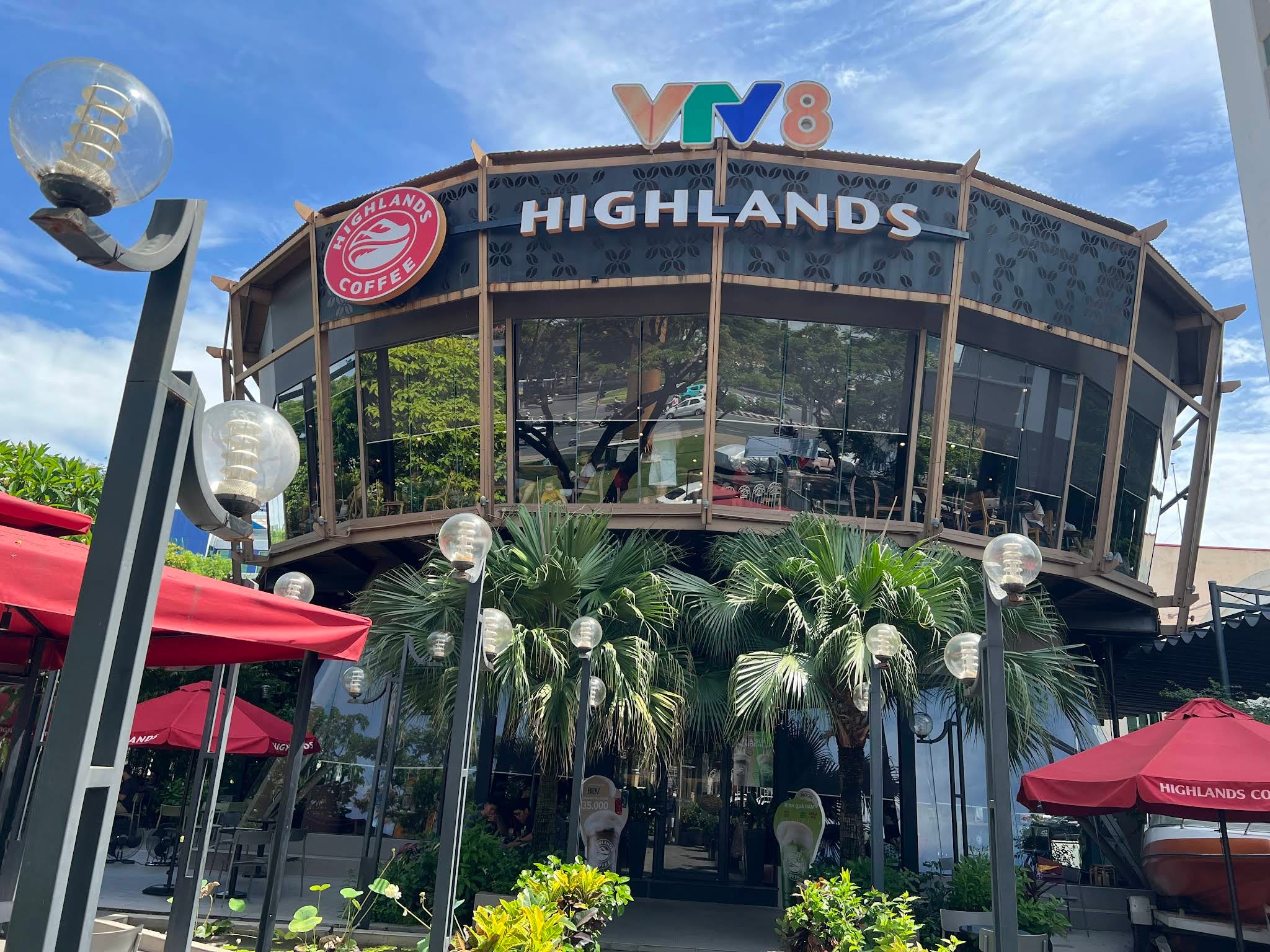
The Highlands Coffee inside Da Nang’s VTV8 building in the center of the city was doing steady morning business when I sat down last week. I felt a buzz in the air that the Vietnamese coffee, albeit stronger than the Americanos I’m used to, couldn’t account for.
Looking around, most tables had people on their phones. Not scrolling social media. Trading. Stock tickers, candlestick charts, portfolio dashboards. An older woman two tables over was comparing notes with her friend on a position they both held. A younger guy in a polo shirt was toggling between a brokerage app and what looked like a crypto wallet. They all had smiles on their faces after riding the stock bump since FTSE Russell confirmed Vietnam’s upgrade from frontier to emerging market in its April 2026 review.
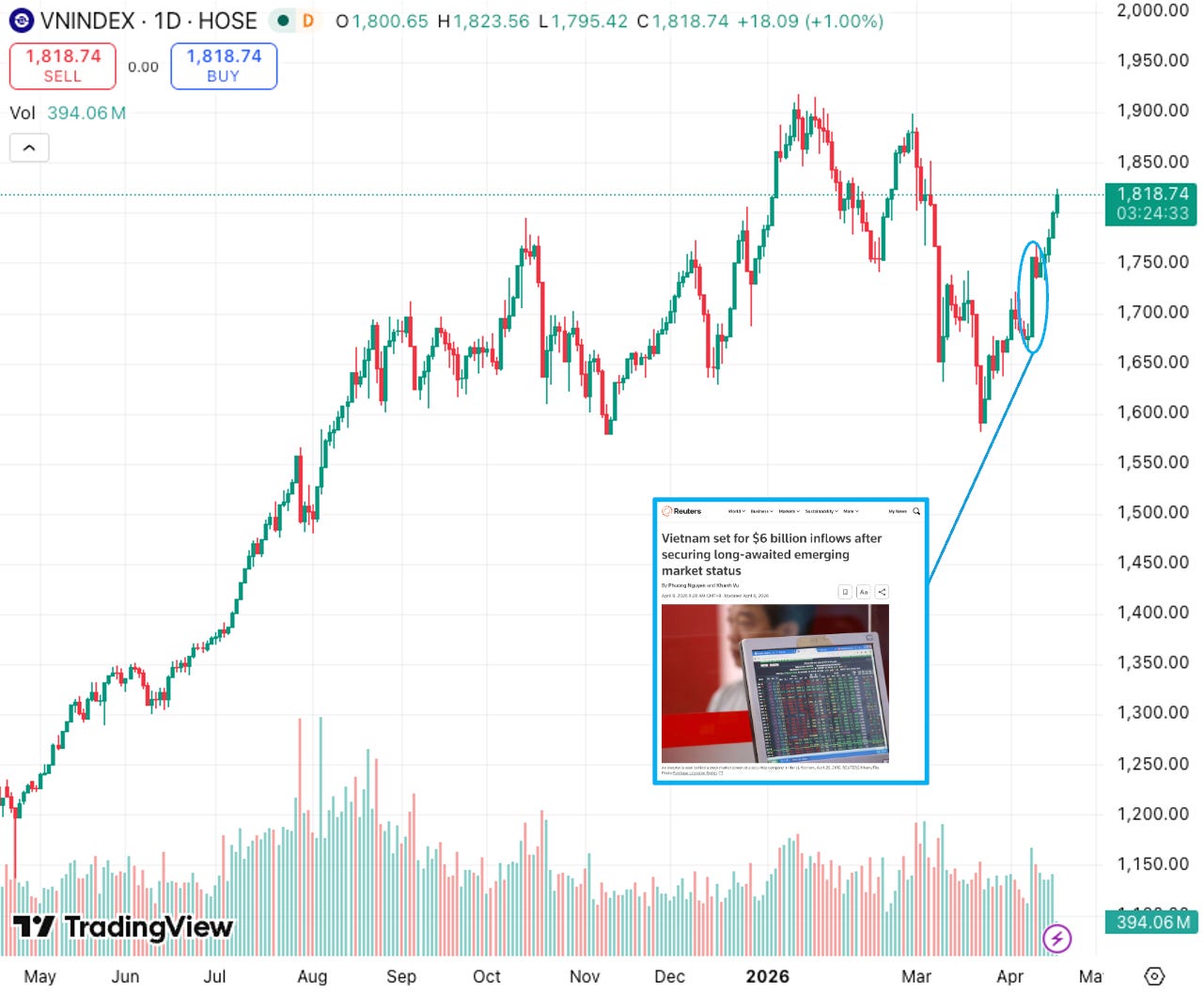
Most of the people in that coffee shop probably couldn’t tell you what FTSE Russell is. It doesn’t matter. Trillions of dollars in passive funds are benchmarked to FTSE’s indices: index ETFs, pension funds, sovereign wealth allocations. When Vietnam moves from frontier to emerging market, those funds are required to buy Vietnamese equities to maintain their index weighting. Active managers follow, chasing the inflows. The retail investors caught the front of an institutional wave.
After my coffee, my new friend Trung Pham (Gavin) and I hopped on a scooter for a short ride along the riverfront north to his office at the new International Financial Centre, Da Nang. It was here that Da Nang’s government-licensed regulatory sandbox had recently approved Vietnam’s first pilot for converting USDT to Vietnamese dong (VND). The country already has a massive retail investor base trading equities, crypto, everything. The IFC is the government’s bet that it can build new financial infrastructure on top of that energy.
I’ve been in China over a decade. I went to Vietnam to test a specific hypothesis: that the country would be following a pattern similar to China’s, where infrastructure and regulation get built simultaneously, and fast. What I found was even more impressive than the China parallel I had in mind. Vietnam already has full, open internet. Its IFC operates a specialized court with common law principles and English-language proceedings (it even has international judges), and is closer to Dubai’s DIFC than to anything in mainland Asia, borrowing selectively from the best jurisdictions globally and building something distinctly its own.
Vietnam is borrowing selectively from the best jurisdictions globally and building something distinctly its own.
The Financial Laboratory
Gavin works at the Da Nang Fintech Lab (DFL), the government-licensed regulatory sandbox operator sitting inside VIFC-DN, Vietnam’s International Financial Centre in Da Nang. The -DN designation is to distinguish it from its sister organization in Ho Chi Minh City.
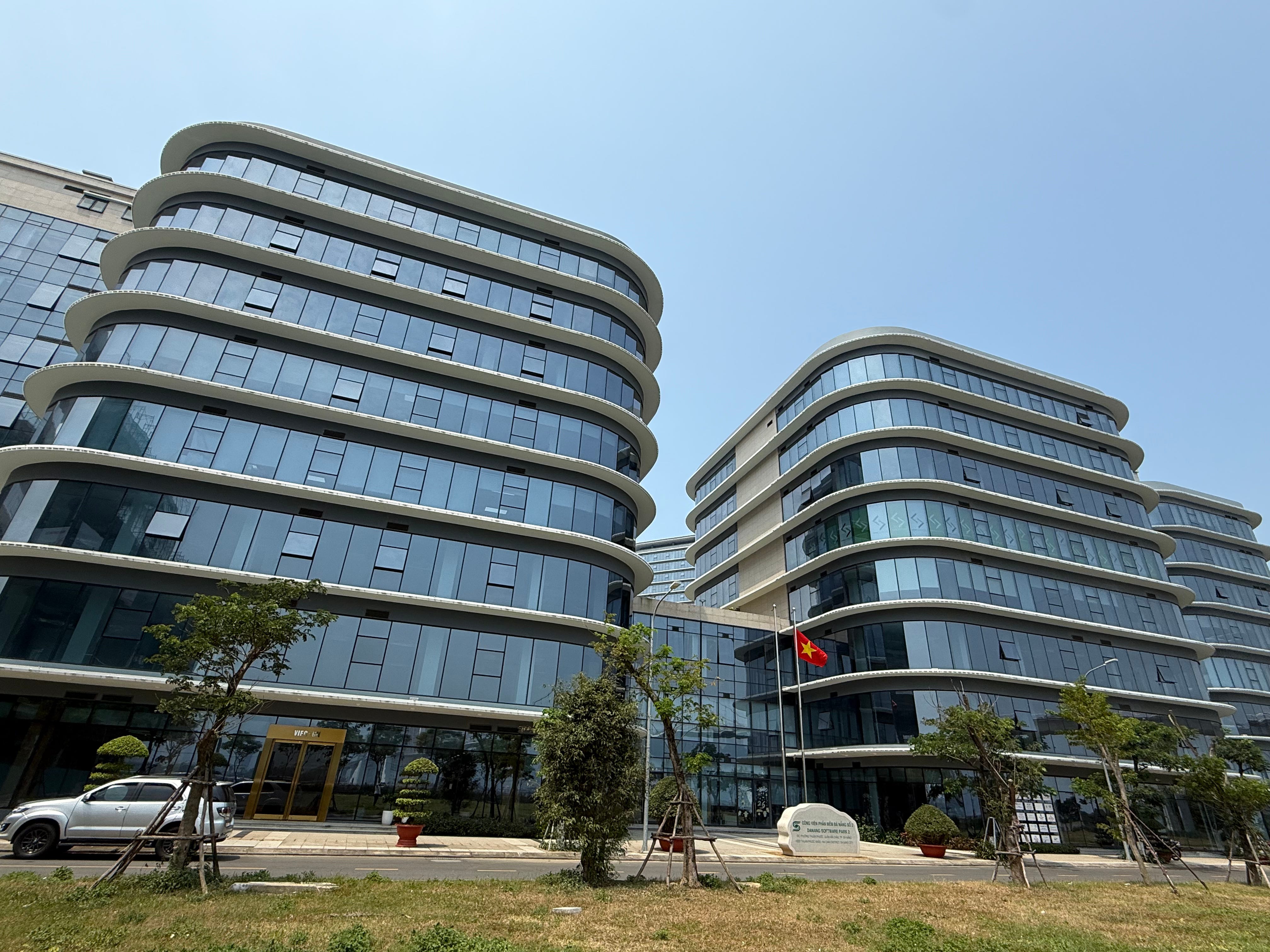
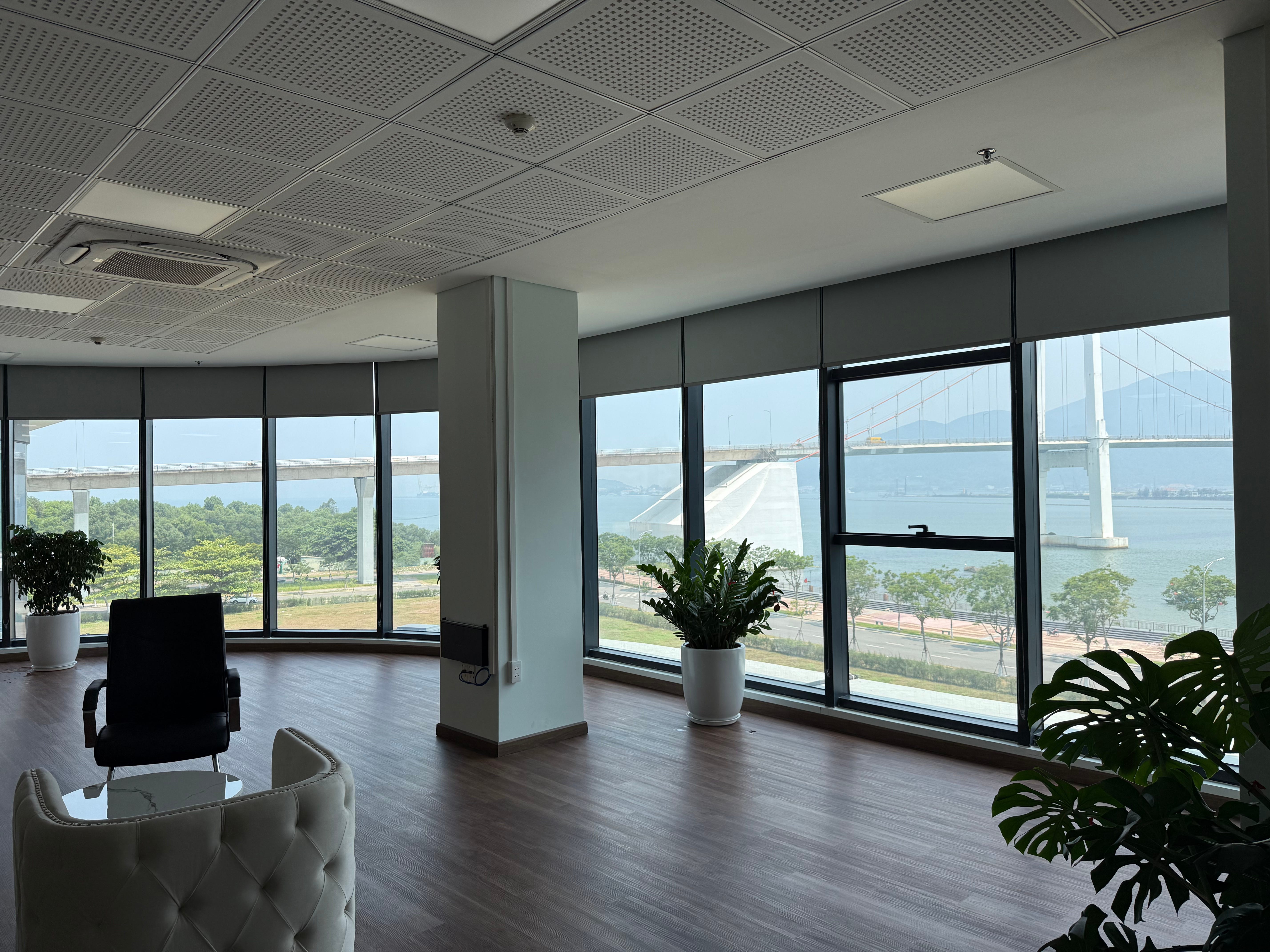
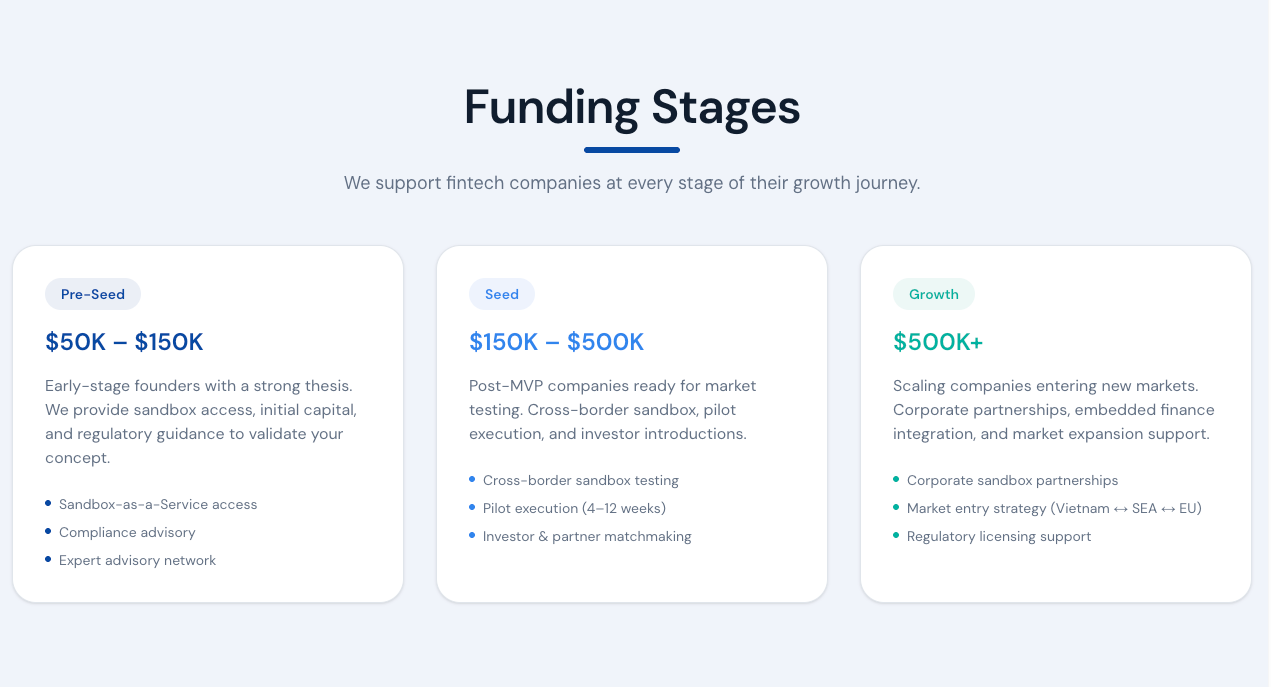
DFL holds the actual regulatory rails and the API infrastructure (banking, e-wallet integration, KYC/AML stack) that lets ventures land and operate inside the sandbox. It even provides funding to startups in the sandbox.
Gavin is also an entrepreneur and the leading case study. His team is building a crypto accounting platform that does deep transaction-level tracing across inputs and outputs, producing compliance-ready reports. That kind of tooling matters because of what’s sitting just offshore.
Bringing $220 Billion Home
Vietnam recorded over $220 billion in crypto asset flows in 2025, up 55% year-on-year. Some 21 million adults hold or have used crypto, and Chainalysis ranks the country fourth or fifth globally in adoption.
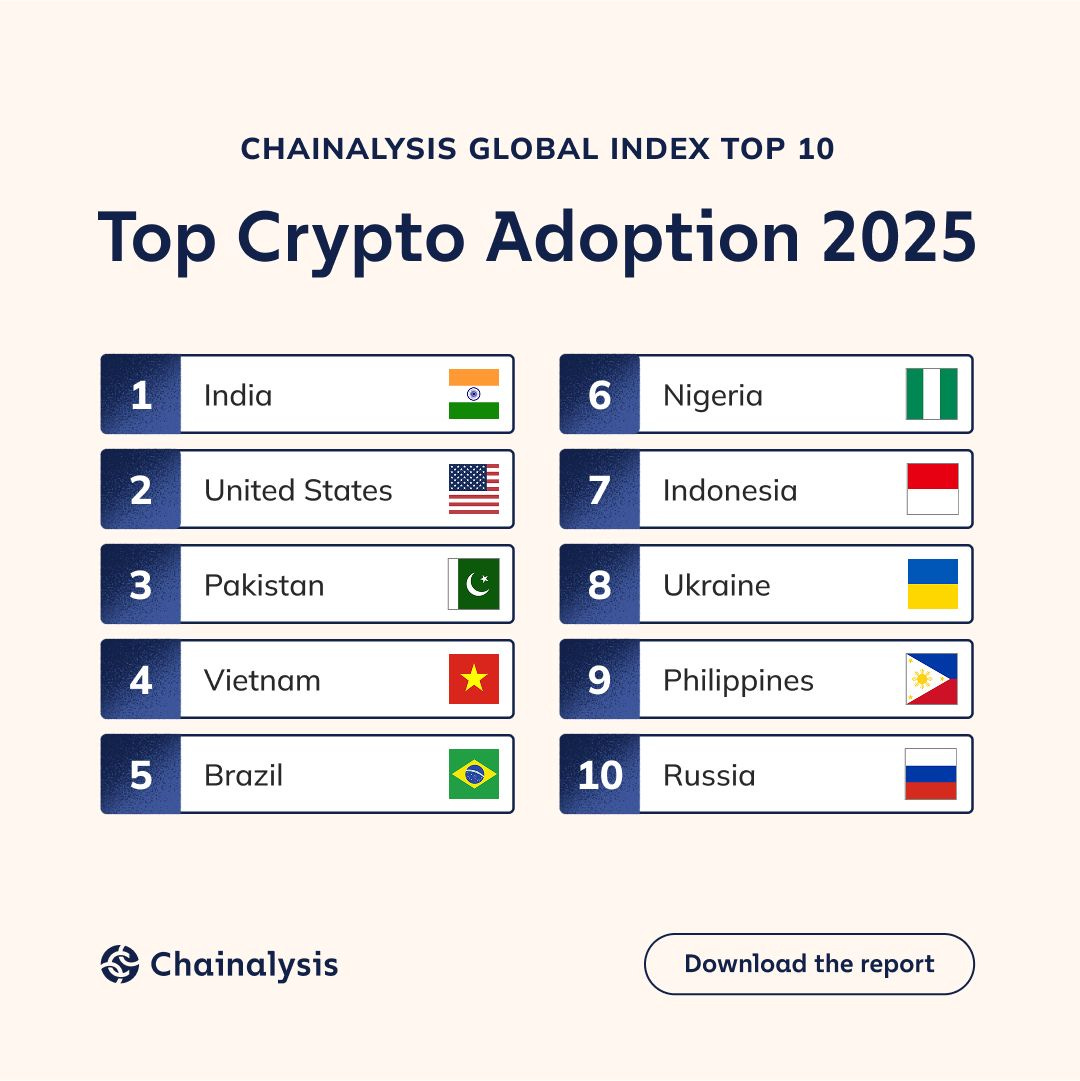
Almost all of that activity happens on offshore exchanges, outside Vietnamese regulation, untaxed and unsupervised. The government wants to bring it onshore, and it has been moving fast at the national level.
The Politburo’s Resolution 57 (December 2024) named digital transformation a national strategic priority. The Law on Digital Technology Industry followed in June 2025, passed 441 to 4, covering semiconductors, AI, and digital assets in a single framework. A five-year crypto sandbox launched in September with plans for five licensed domestic exchanges, and the Ministry of Finance began accepting applications in January 2026 with a minimum capital requirement north of $400 million. OKX and HashKey jointly invested in a Vietnamese entity earlier this month to meet the bar, though foreign ownership is capped at 49%, keeping control local. The IFC is where much of this gets built.
The Tokenization Opportunity
Once the exchanges are licensed and the capital comes onshore, the question becomes: what does it invest in? Not just trading crypto back and forth. Regulated infrastructure makes tokenization viable: representing real-world assets (bonds, equities, fund units) on-chain. A retail investor buys a fractional slice of a government bond for a few hundred dollars instead of needing a brokerage account and a high minimum. Equities trade 24/7 instead of within exchange hours. Fund units settle instantly instead of T+2. Compliance rules get embedded in the token itself, so KYC and transfer restrictions travel with the asset.
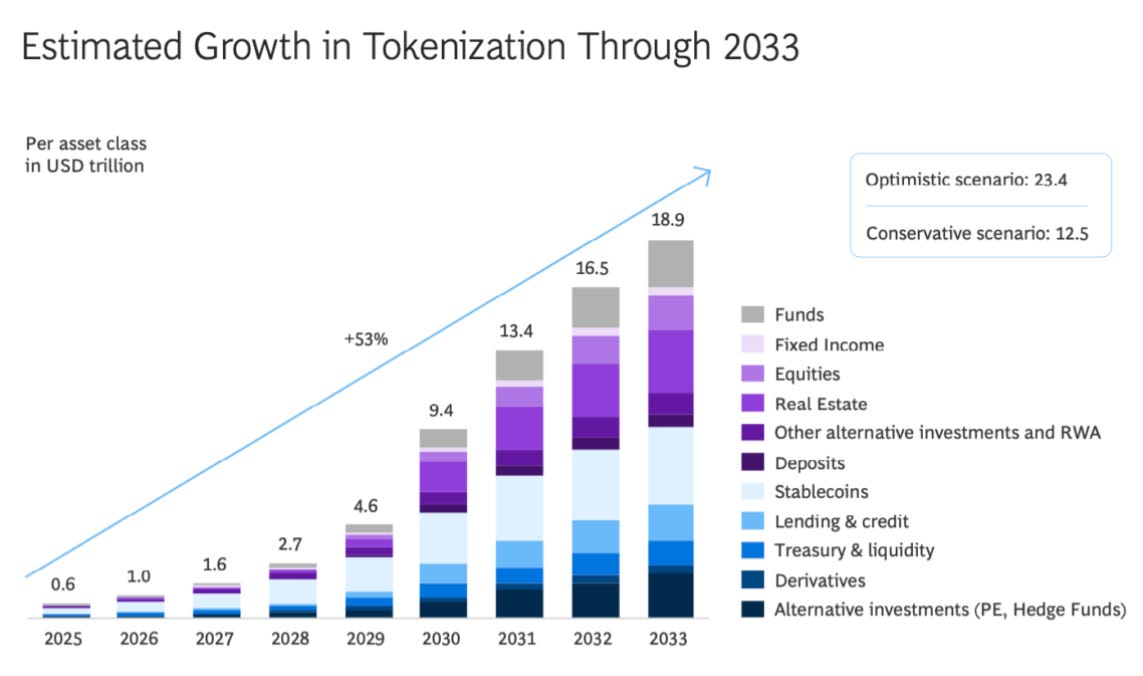
Globally, this is already moving fast. BlackRock’s BUIDL fund, a tokenized money market product issued through Securitize, holds over $2 billion in assets. JP Morgan’s Kinexys platform has completed tokenized Treasury trades with Ondo Finance and Chainlink, and bought $100 million in tokenized commercial debt from Singapore’s OCBC. The SEC issued a joint taxonomy of tokenized securities in January 2026, and US banking regulators published guidance on capital treatment the following month. McKinsey projects $2 to 4 trillion in tokenized assets by 2030. BCG puts the bull case at $16 trillion. Closer to Vietnam, Singapore’s MAS has 40-plus financial institutions in its Project Guardian tokenization program and is testing tokenized government bills for interbank lending. Thailand issued a 5 billion baht tokenized government bond for infrastructure investment.
Vietnam has something most of these jurisdictions don’t: a large, active retail base, a government writing the rules in real time, and a sandbox where new financial products can be tested under license. People are already building for it.
Cathal Donnellan, a fellow Irishman who has spent years building crypto and fintech platforms across Southeast Asia, put it simply in a conversation we had before the trip: the old speculation model is, thankfully, mostly dead, and the future is real-world assets. He’s now driving asset tokenization in Vietnam with NexStox.
Gavin’s compliance platform, already operating inside the sandbox, is built for exactly this kind of market. Tokenized assets need transaction-level tracing and compliance-ready reporting baked into the infrastructure, not bolted on after the fact. The fact that DFL and VIFC have ventures building real products inside a sandbox that barely existed a year ago suggests the model is working as designed: stand up the infrastructure, and the builders show up.
Ten years from now, the retail investor sitting in that Highlands Coffee won’t just be trading stocks and crypto on separate apps. They may hold tokenized government bonds, fractional fund units, and international securities in a single wallet, settled on-chain, regulated onshore.
A Tale of Two Cities
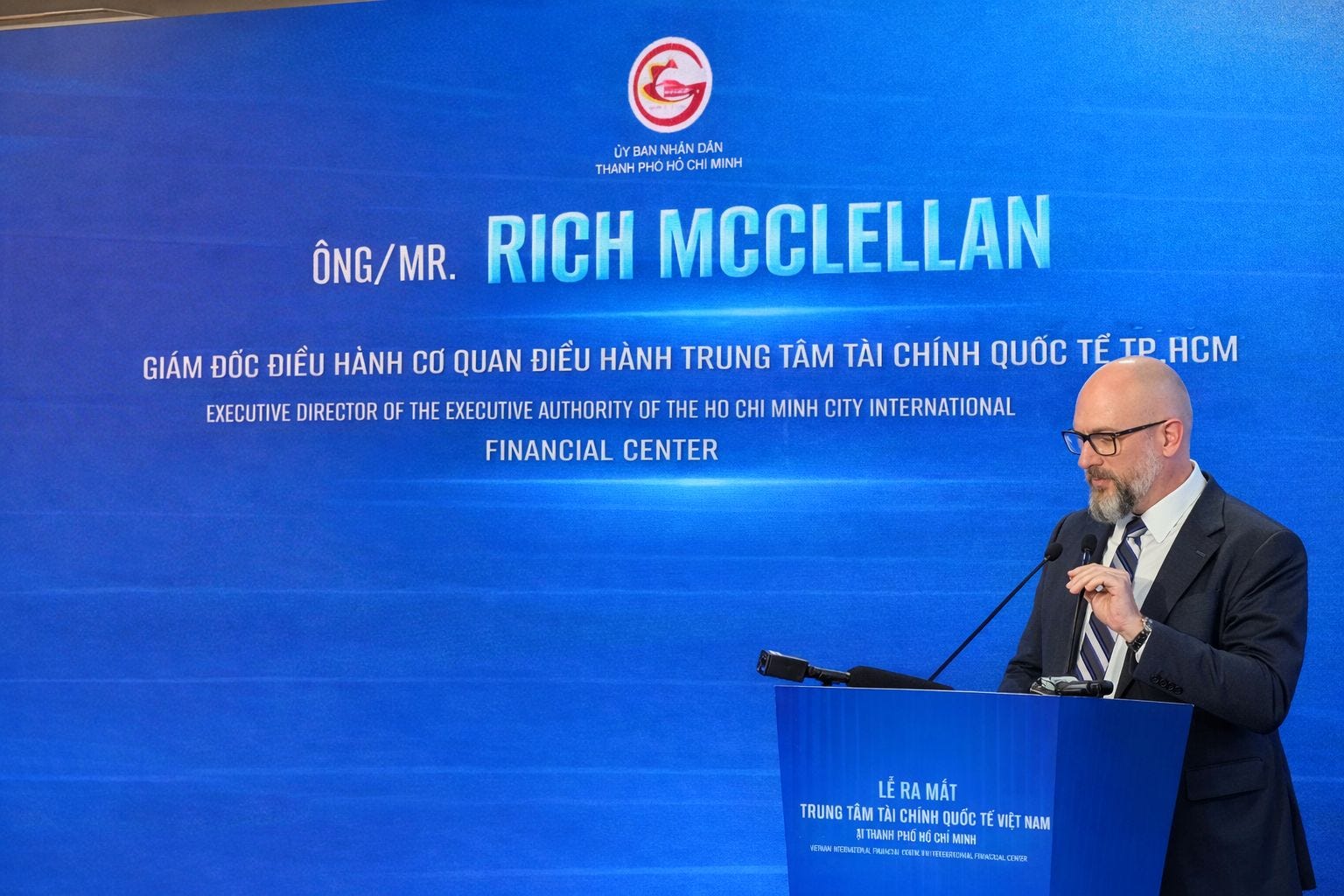
The IFC itself operates as a dual-hub model, formalized in Decree 323/2025. Rich McClellan, CEO of VIFC-HCMC and Vice Chair of the Da Nang hub, walked me through the structure before my trip. Rich’s side of the house focuses on traditional capital markets, corporate finance, and asset management, and he’s been landing partners fast. Nasdaq is one of seven founding members alongside VinaCapital, Sovico Group, and others. HDBank and the London Stock Exchange signed a partnership in April 2026 for cross-border fundraising, connecting Vietnamese issuers with global institutional investors. Rich’s team also launched an Asia-Pacific Aviation Financial Hub at the Singapore Airshow with Airbus and Boeing as strategic members, targeting $6.1 billion in initial capital mobilization. HCMC climbed 11 places to 84th in the GFCI 39 rankings and was named one of 15 centres likely to become more significant.
VIFC-DN handles the experimental side: fintech, digital assets, trade finance, specialized lending, and new exchange models. I only had time to visit Da Nang this trip, so that’s where most of this piece is focused, but the two hubs are complementary.
The VIFC-DN sandbox can issue licenses for up to five years through its own executive authorities, not national regulators. Ventures can test things inside Da Nang that would be blocked anywhere else in the country. The first project through the door, Basal Pay, runs a controlled USDT-to-VND conversion under a non-custodial model on a 36-month pilot. Tether signed an MoU with Da Nang’s People’s Committee in November 2025 to support blockchain-enabled governance, digital asset policy, and tokenization of real-world assets. Corporate tax inside the IFC is capped at 10% for up to 30 years, half Vietnam’s standard rate.
This follows the path Dubai’s Virtual Assets Regulatory Authority (VARA) carved starting in 2022. VARA didn’t try to squeeze crypto into existing securities or banking law. It built a new framework around what was already happening. Vietnam is applying the same logic to a much larger market.
The Industrial Base
Chips Next Door to Fintech
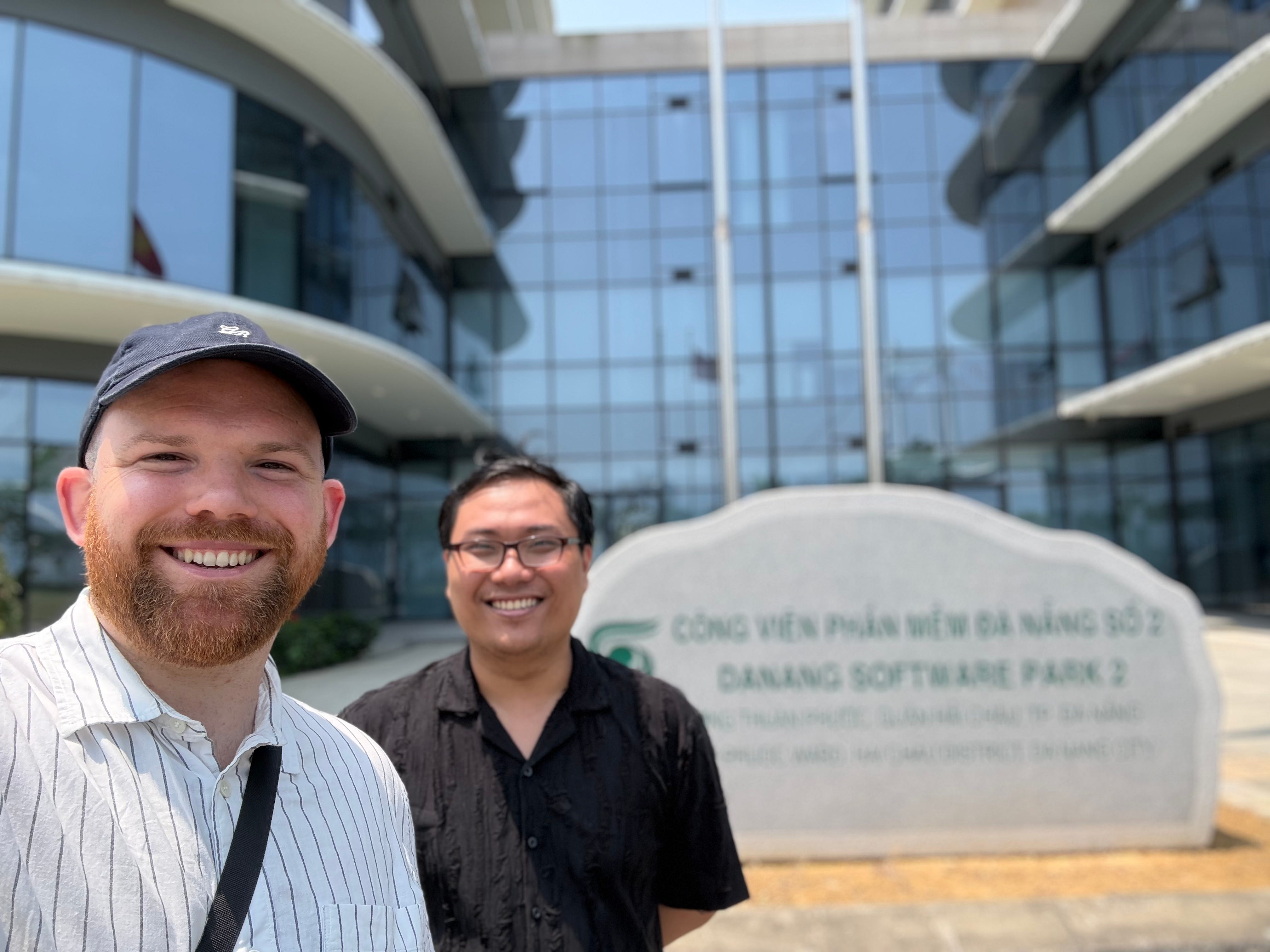
Right next door to DFL inside Da Nang’s IFC, VSAP Lab is building a $69 million chip packaging technology facility in Da Nang Software Park. Construction runs through Q4 2026, with capacity for 10 million semiconductor products annually and a 50-year operational license.
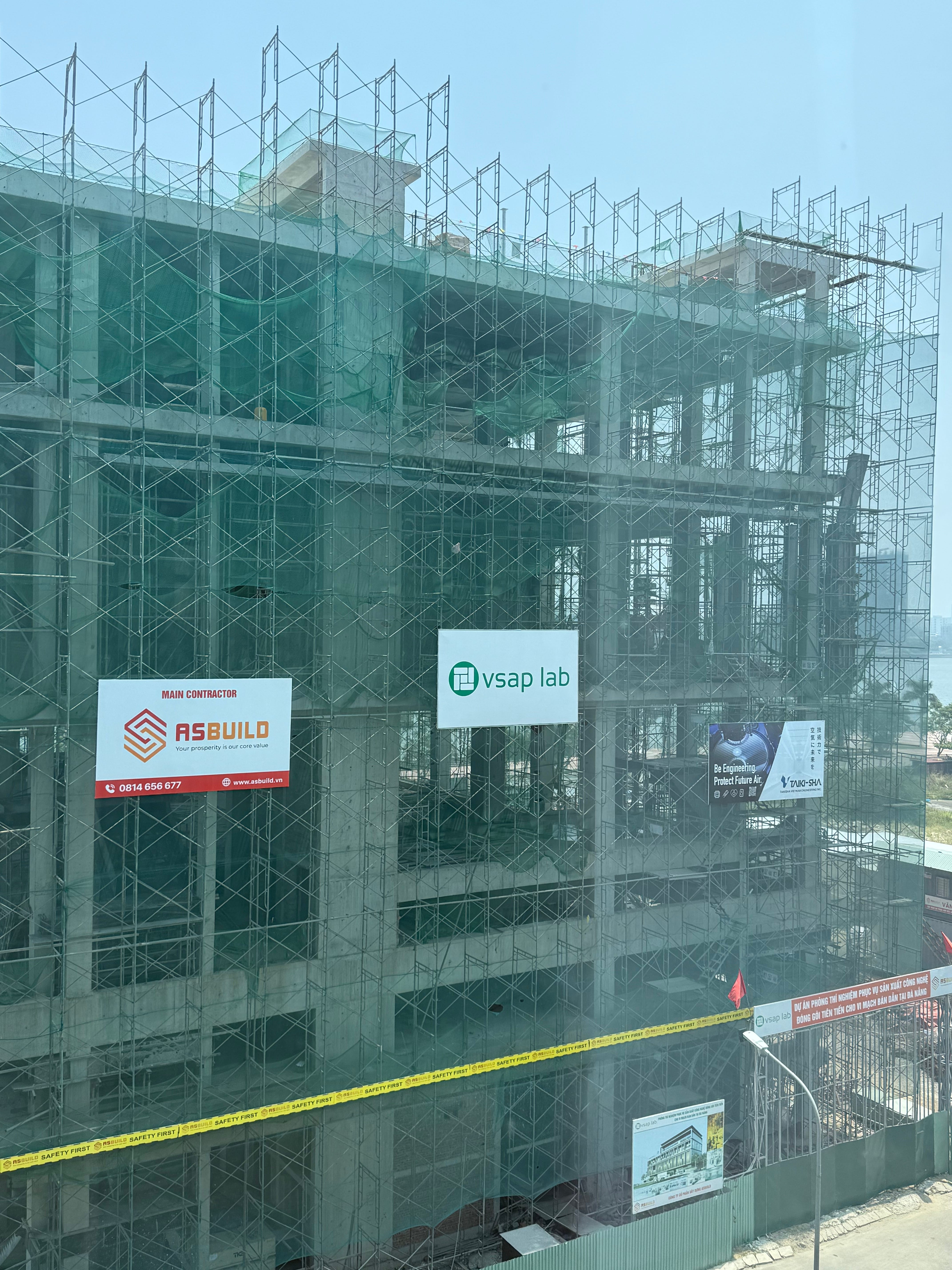
Chip packaging is where individual chips get assembled, stacked, and connected into finished products. VSAP Lab is targeting advanced packaging (fan-out, 2.5D, and 3D), the same technology used to build AI accelerators like NVIDIA’s H100. Vietnam already has serious semiconductor assembly investment from multinationals: Amkor is building a $1.6 billion plant in Bac Ninh, Hana Micron has committed around $930 million. But virtually all of that is conventional packaging. VSAP Lab would be the first domestically-led facility attempting advanced packaging, and advanced packaging is increasingly the bottleneck for global AI chip supply. Vietnam’s share of global assembly, test, and packaging is projected to rise from roughly 1% in 2022 to 8-9% by 2032.
The same Law on Digital Technology Industry that created the digital assets framework also covers semiconductors and AI. Da Nang is assembling financial infrastructure, semiconductor capacity, and regulatory sandboxes in the same district. That concentration is deliberate, and it’s the kind of stacking that compounds.
The Factory Floor
The IFC and the sandbox are the financial layer, and Vietnam’s industrial policy treats them as part of a larger stack. The four Politburo resolutions issued since August 2024, covering tech self-reliance, international integration, legal reform, and private sector development, are a coordinated push to move the country up value chains.
Samsung produces roughly half of all Galaxy smartphones in Vietnam, spread across factories in Bac Ninh and Thai Nguyen provinces. Intel’s largest chip assembly and test facility globally sits in Ho Chi Minh City. Vietnam’s electronics exports overtook garments as the country’s top export to the US for the first time in 2025.
Disbursed FDI hit $27.6 billion in 2025, a five-year high, with 81.7% of newly registered capital flowing into manufacturing and processing. Q1 2026 registered FDI surged 42.9% year-on-year to $15.2 billion. Singapore and China were the top two sources of new investment. China hitting number two is worth pausing on: Chinese manufacturers are doing their own China+1, moving production lines into Vietnam to diversify supply chains and hedge against trade friction.
The tariff situation almost put the kibosh on the whole plan. On April 2, 2026, the White House announced a 46% reciprocal tariff on Vietnamese goods. General Secretary To Lam called Trump directly and offered zero-for-zero tariffs. A 90-day pause followed, and negotiations are ongoing. Where the final rate lands is the single biggest near-term variable for Vietnam’s export-oriented manufacturing. But the rest of the industrial buildout (chip packaging, financial infrastructure, rail) isn’t waiting on that answer, and some of it exists precisely because the world is diversifying away from China, not toward it.
A $75 Billion Rail Network
On April 12, Vingroup’s VinSpeed broke ground on Vietnam’s first high-speed rail line, the $5.6 billion Hanoi-Quang Ninh route, 120 kilometers at 350 km/h using Siemens Velaro Novo trains, cutting travel time to 33 minutes by 2028. The line stitches together the Red River Delta’s industrial spine: Hanoi, Bac Ninh (where Samsung’s factories sit), Haiphong port, and Ha Long Bay, collapsing a 2-hour drive into a commute and opening a major tourism corridor at the same time.
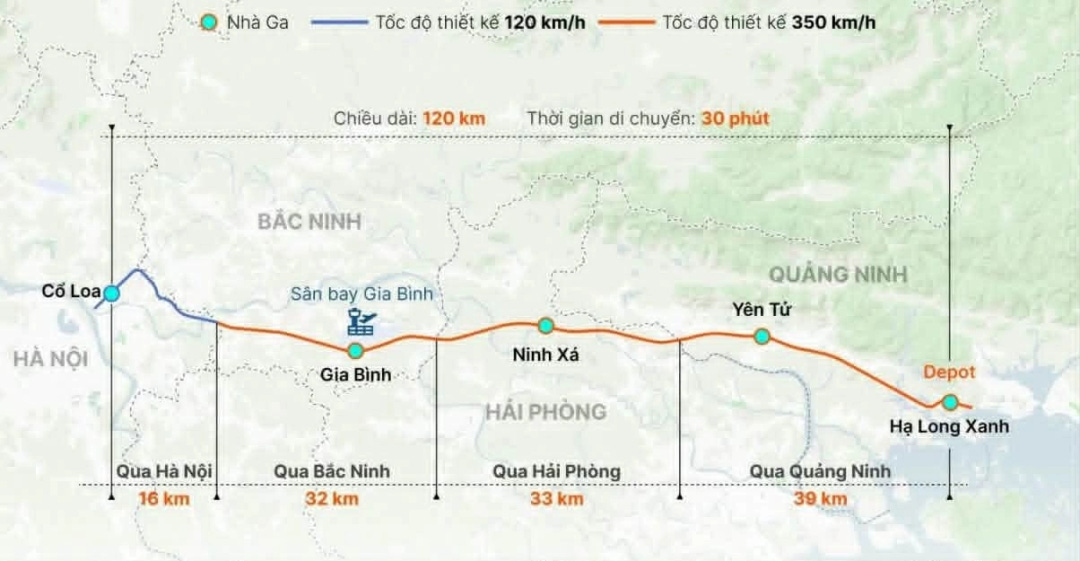
It’s also explicitly designed as a pilot for the national network: Vietnam is using this line to build the operational experience before tackling the $67 billion North-South HSR approved by the National Assembly in November 2024, which is also moving into construction. Separately, in February 2025, the National Assembly approved an $8 billion rail link to China: 427 kilometers connecting the border at Lao Cai to Hanoi, Haiphong, and Ha Long City, targeting completion between 2026 and 2030. During Xi Jinping’s state visit in April 2025, the two countries agreed on feasibility studies for two additional intermodal railways, from Guangxi to Hanoi and from Shenzhen to Haiphong, with China funding the research phase.
High-speed rail restructured where capital, talent, and industry clustered inside China over the past two decades. Cities that were too far from economic centers to compete became viable manufacturing and service hubs almost overnight. Shanghai, Hangzhou, and Suzhou were always nearby, but HSR turned them into the Yangtze River Delta megaregion. The same thing happened with Shenzhen and Guangzhou in the Greater Bay Area, and Beijing and Tianjin in Jing-Jin-Ji. The same dynamic is available on the China-Vietnam corridor. A functioning HSR link between the two countries would do for cross-border economic integration what China’s domestic network did for its internal geography.
But there are limits to what government-led investment can build.
Fresh Ideas and Spoiled Food
Vietnam has gaps at every layer of the stack, and the biggest ones aren’t in regulation or capital. They’re cultural and structural. Coincidentally, conversations about agriculture showed the clearest examples of both.
The Fruit Nobody Brands
The government can build chip plants, lay rail, and write sandbox rules. What it can’t do is manufacture entrepreneurial instinct. Trung’s view on Vietnamese entrepreneurship was blunt. Most Vietnamese, he said, are raised with an employee mindset. The few who go entrepreneurial tend to chase quick cash.
His example was fruit. Take Vietnamese tropical fruit, dry it, cut it, brand it, and the price quadruples. Almost nobody does it. I pushed back: why doesn’t someone just import the processing machines from China and start capturing that margin locally?
Chinese entrepreneurs, he said, have a more scientific approach to business: doing deep market research, finding what specific areas produce what, and have decades more experience building supply chains. They pull raw inputs into China, process them domestically, and control distribution from there. Vietnamese operators trying to capture that value-add locally are competing against that experience gap. For now, most keep shipping raw product.
What Rots Before It Ships
This isn’t limited to fruit. Across the Mekong Delta’s perishables, the same gap appears at every stage. The delta produces roughly 24 million tons of rice annually; post-harvest losses from harvest to milling run 12 to 14 percent, over $600 million in lost value each year. For fruit and vegetables, losses reach 35 to 45 percent, mostly from bruising during transport and the absence of on-site cold storage. Seafood loses 15 to 20 percent of its value if it isn’t processed and frozen within hours of harvest. Nationally, food losses total 8.8 million tons a year, around $3.9 billion, roughly 12 percent of Vietnam’s agricultural GDP.
None of this is exotic to fix. Cold storage between farm and processor, basic processing capacity, a brand on the output. The gaps are real and the fixes are known. Vietnam has the volume; what it doesn’t yet have is capital and operators willing to deploy it.
Conclusion: The Concrete is Still Wet
Vietnam is not the next China. No country is. But after a week in Da Nang, I think it’s the most interesting place in Southeast Asia to be building right now. The people I met there aren’t waiting for the framework to be finished. Gavin is building compliance rails inside the sandbox, the DFL team is operating actual regulatory infrastructure, the VSAP Lab team is putting semiconductor capacity next door. They’re building alongside the framework, not after it.
None of this is guaranteed. HSR programs blow budgets, the grid hasn’t been tested at data center scale, and the sandbox is months old. But Vietnam broke ground on high-speed rail on April 12, its financial sandbox approved its first crypto conversion pilot four months ago, and FTSE Russell just confirmed the emerging market upgrade. That’s a lot of momentum landing in the same window.
What I’m Watching
Vietnam as Southeast Asia’s fintech sandbox. This is the big one. Vietnam has 21 million crypto holders, a government writing regulation around activity rather than ahead of it, and a sandbox where ventures can test products under license that would be blocked anywhere else in the country. Singapore’s framework is more mature, but Vietnam’s domestic market is twenty times larger and the cost of building there is a fraction. If the sandbox model works, and the early signs suggest it does, Vietnam could be where you build and test fintech products before scaling them across ASEAN’s 700 million people.
Institutional digital asset products. Once the exchanges are licensed and the capital comes onshore, the infrastructure is there for tokenized bonds, equities, and fund units to trade on regulated rails. The IFC’s common law court and English-language proceedings make it viable for cross-border products: a Vietnamese investor buying tokenized international bonds, or foreign capital accessing tokenized Vietnamese government debt. One interesting experiment further out: Vietnam doesn’t have freehold property. All land is leased from the state under time-bound use rights, 50 years for commercial, up to 70 for residential. Those rights are standardized, time-limited, and already in a government registry. Fractional tokenized land use rights could make one of Vietnam’s largest asset classes tradeable without requiring a change in property law.
Private infrastructure. The government is building rail, semiconductor parks, and financial architecture. What’s missing is the boring stuff in between: cold storage near farms, processing capacity near source, logistics that don’t destroy a third of the product before it reaches a buyer. None of this needs a sandbox or a license. It needs capital willing to build warehouses instead of apps.
Vietnamese brands. Vietnam exports volume. The margin goes elsewhere. Agriculture is the starkest example, but the gap applies more broadly. The entrepreneurial shift Trung described, from employee mindset to building something, is what turns a country that grows and assembles into one that sells finished products under its own name. The government can’t manufacture that. It either emerges or it doesn’t.
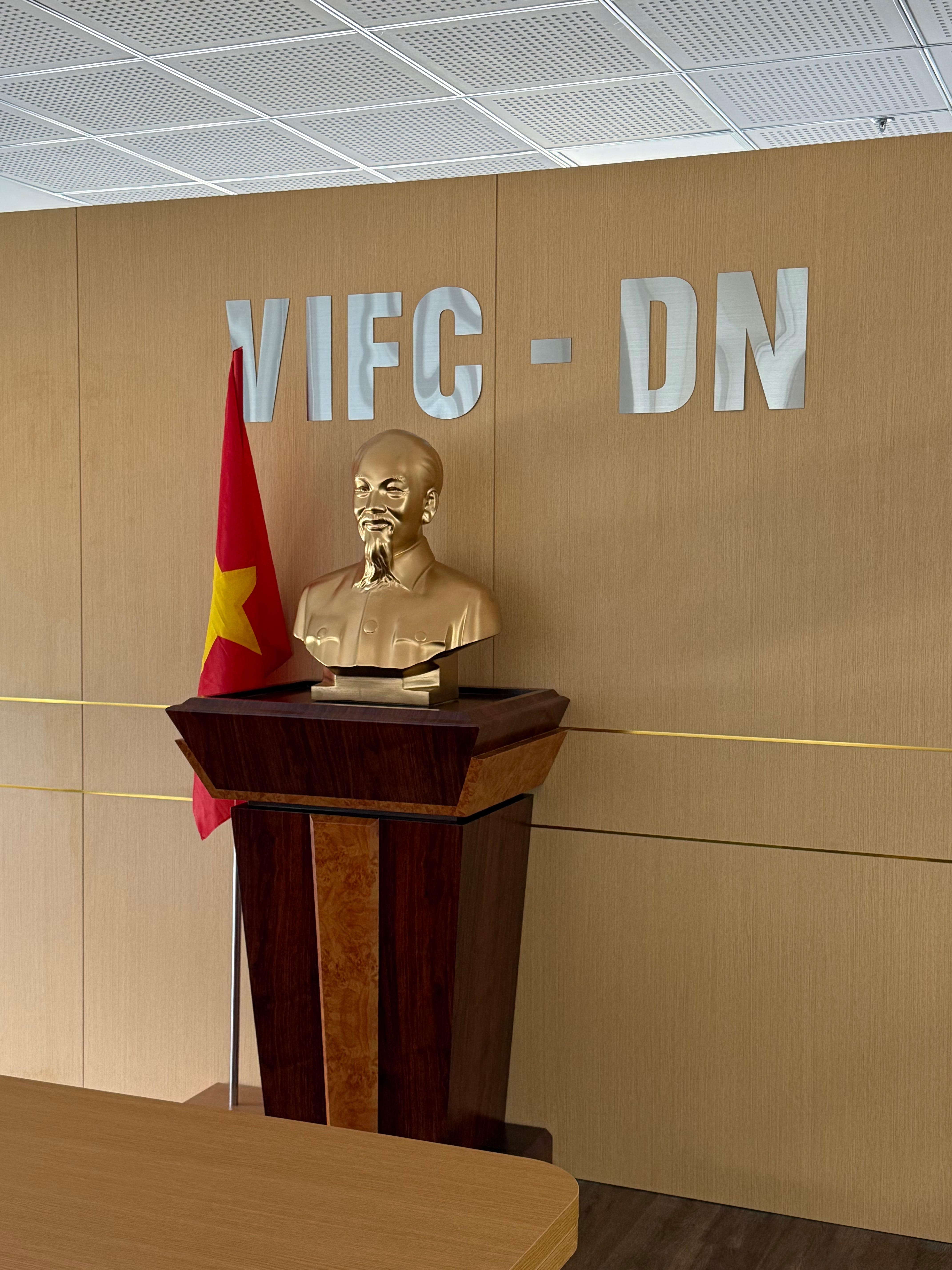
In closing, Ho Chi Minh declared independence from France in 1945, quoting Jefferson as he did it. Today, his bust overlooks a fintech sandbox running common law courts in English, licensing crypto exchanges, and writing the rules for tokenized securities. Eighty years from independence to a fintech sandbox with common law courts.
Not bad.